
What Is the Best Fence for Farmland in Sarasota, Florida?
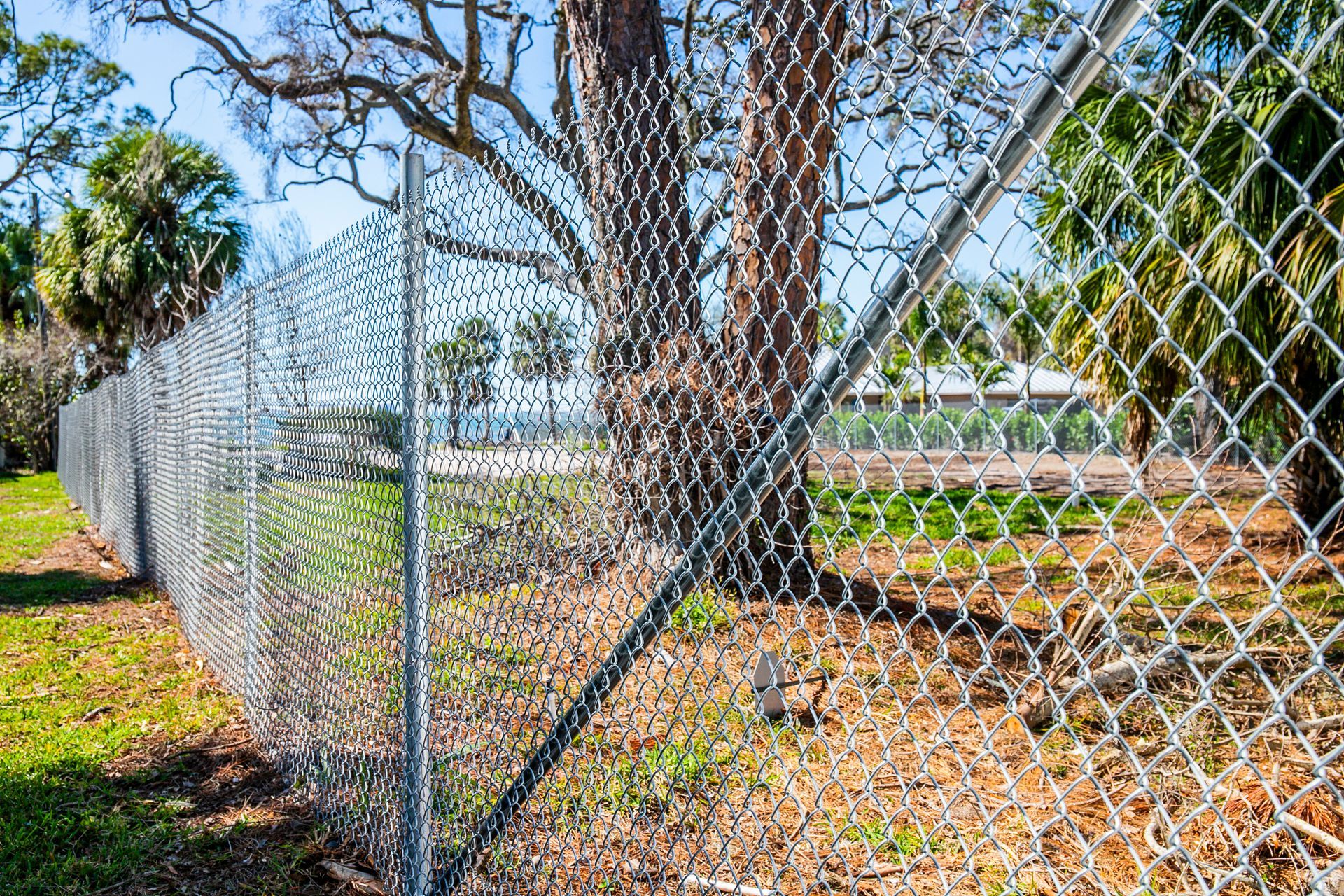
The best fence for farmland in Sarasota depends on the animals being raised and how the property is used. Woven wire is a flexible selection for mixed livestock, while barbed wire and high tensile fencing are common options for cattle pastures. Horse properties typically require more visible fencing, such as wood rails or properly designed horse safe mesh.
No single fence works best for every farm. The right choice should provide safe containment, accommodate daily agricultural activities, and remain practical to maintain.
What Types of Fencing Work Best for Farmland?
Agricultural fences differ in construction, strength, maintenance requirements, and cost.
Woven Wire Fencing
Woven wire, also called field fencing, uses horizontal and vertical wires to create a mesh barrier.
The spacing between wires varies depending on the animals being contained. Smaller openings can help prevent goats and sheep from escaping, while other configurations accommodate larger livestock.
Woven wire typically requires a higher initial investment than basic barbed wire but provides versatile containment when properly installed.
Barbed Wire Fencing
Barbed wire uses tensioned strands with sharp barbs to discourage livestock from pushing through boundaries.
It continues to be a common choice for cattle operations because it can cover extensive pasture areas with relatively low material costs.
However, barbed wire presents injury risks and is generally unsuitable for horses.
High Tensile and Electric Fencing
High tensile fencing uses strong, tensioned steel wire supported by reinforced posts and braces. Electric fencing may be incorporated into high tensile systems or installed separately to control livestock movement.
Electric systems are particularly useful for rotational grazing, allowing farmers to divide land into smaller pasture sections. They require a properly maintained energizer, adequate grounding, and regular inspection.
Wood Rail Fencing
Wood rail fencing creates a highly visible physical boundary, making it a familiar choice for horse properties.
Rails can also be combined with suitable mesh where additional containment is necessary. Unlike wire systems, wood rail fencing requires regular inspection for damaged boards, protruding fasteners, and deteriorating posts.
For guidance on livestock fencing materials, see the University of Florida IFAS Extension’s agricultural fencing recommendation
Which Fence Is Best for Your Livestock?
The animal species should determine the fence design, not simply the size of the property.
| Livestock | Suitable fencing | Key requirement |
|---|---|---|
| Cattle | Barbed wire or high tensile | Secure pasture boundaries |
| Horses | Wood rail or horse safe mesh | High visibility and injury prevention |
| Goats | Woven wire | Small openings and secure gates |
| Sheep | Woven wire | Containment and predator protection |
| Mixed livestock | Properly selected woven wire | Accommodating different animal sizes |
Important: Fence height, mesh configuration, and wire tension must suit the particular animals. A fence that contains adult cattle may not safely contain smaller livestock.
What Should You Check Before Installing Livestock Fencing?
Choosing the material is only the first step. Four installation details have a major impact on performance.
1. Fence Height and Wire Spacing
Fence height should account for the animals’ size and behavior. Goats may climb or squeeze through openings, while horses need a visible boundary that lowers injury risks.
2. Post Spacing and Corner Bracing
Posts support the fence, while properly constructed corner and end braces resist wire tension.
Insufficient bracing can cause sections to sag, lean, or lose effectiveness over time.
3. Gate Placement
Farm gates should accommodate livestock movement, feeding equipment, tractors, and trailers.
Poorly positioned gates can make routine agricultural activities unnecessarily difficult.
4. Inspection and Maintenance Access
Fence lines should remain accessible for inspecting damaged wire, loose fasteners, vegetation, and deteriorating posts.
Consistent servicing is particularly important along frequently used livestock boundaries.
Choosing the Right Farm Fence in Sarasota
For livestock containment, agricultural wire systems are often the most practical starting point. However, farms may also need fencing around buildings, equipment storage, and access areas.
For those applications, chain link fencing can provide a secure boundary without blocking visibility.
Freedom Fence is a Sarasota fence company offering wood, wood, chain link, and aluminum fencing for residential and commercial properties.
Planning a fencing project for your farmland or rural property? Contact Freedom Fence to discuss your property requirements and available fencing options.


Mon-Fri: 8am-5pm • Sat-Sun: Closed
Financing, Cash, Check & All Major Credit Cards
License: FL CBC Lic. #1263682
4385 Independence Ct,
Sarasota FL 34243
